tracked inquiries for Dr. Justin Houman in September 2026, every one vetted and tied to its source.
The work, with names and numbers.
Three clients, what we run for each, and what the numbers say, including what we don't claim.
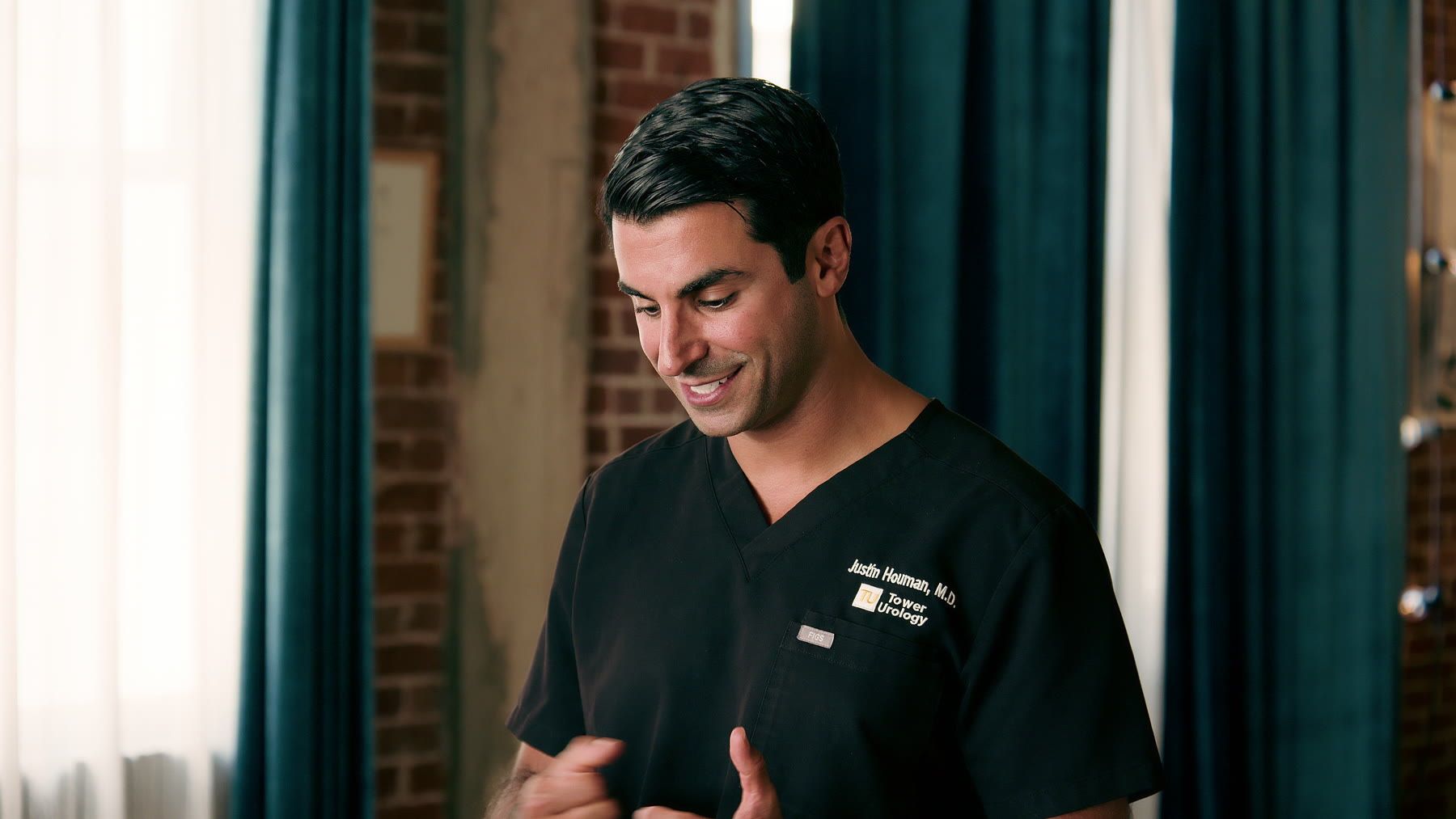
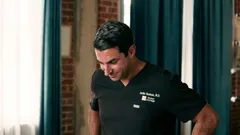
Dr. Justin Houman, Tower Urology, Los Angeles.
Cash-pay men's sexual health and fertility. Engagement since January 2026.
The challenge
Dr. Houman is a fellowship-trained male fertility and sexual medicine specialist with more than 800 penile implants. His patients are sophisticated and private. They research a condition for weeks before they call, and they choose on reputation and outcomes, not on which office is in network.
The usual medical-marketing playbook doesn't reach a patient quietly comparing subspecialists at midnight. The practice needed trust built before the first call, and a system that could capture and route demand by condition.
What we run
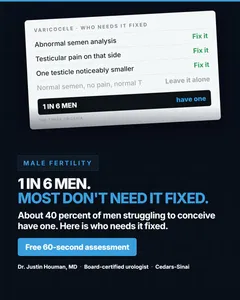
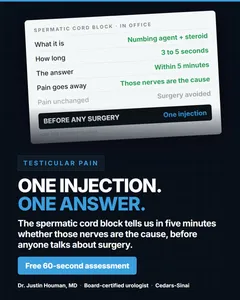
Weekly video and carousels across eight platforms, shot and graded in house. Meta and Google ads built from the best-performing posts. A private patient assessment that sorts inquiries by condition. Follow-up sequences by condition on a HIPAA-compliant CRM, with an AI assistant answering first questions in DMs. An AI front desk that answers around the clock. A link-in-bio hub the practice owns.
Underneath it, tracking that ties every form, call, and assessment to what produced it, a live dashboard, and a monthly report where every recorded call is read and classified by hand. How a month works





The results
Over nine months the content built the reach. By September 2026 that reach was producing 502 tracked inquiries a month, about six in ten from the content and ads we run, at $15.15 per ad-driven inquiry, down from $49.43 in July.
Figures from the practice's CallRail, form, online-assessment, and CRM records for September 2026, and Metricool for the nine-month reach. Tracked inquiries count every captured contact: calls, forms, assessments, guide sign-ups, and social conversations. Unique patient inquiries count only phone callers and form submitters, each person once. These are inquiry, attention, and traffic figures, not booked patients, and not a claim about patient volume or revenue.
What we learned
Nearly half the inquiries we bring in still come from unpaid posts. The videos shot in month one are still producing inquiries in month nine. That is the long play, proven.
Reading every August call showed the live-answer rate slipping in the same month inquiries got cheaper. So we built the AI front desk that now answers around the clock.
That is what "we read the calls" means in practice.
A Los Angeles injury and tenant-rights firm.
Plaintiff and contingency. Engagement since June 2026. Anonymized at the firm's request.
What we run
Quarterly shoots with the firm's attorneys, cut into weekly reels. Carousels and case-result cards in a design system built for the firm. A review page the founding attorney opens on his phone to approve the week's posts. Meta ads with creative made here, pointed at a short online case review that sorts inquiries by case type and timing before intake picks up.
Every inquiry reaches the firm's intake team with a note on what brought it in, and the spam never reaches the ad platform, so the platform learns from real inquiries only.
The results
Figures from the firm's call tracking, form intake, and CRM. Inquiries, not signed cases.
The founding attorney's part is a ten-minute approval pass each week. Last week he approved ten posts with zero flags.
His only edits in nine weeks: one cover photo and two legal wording fixes.
Dr. Mike Mah, psychiatry, Century City.
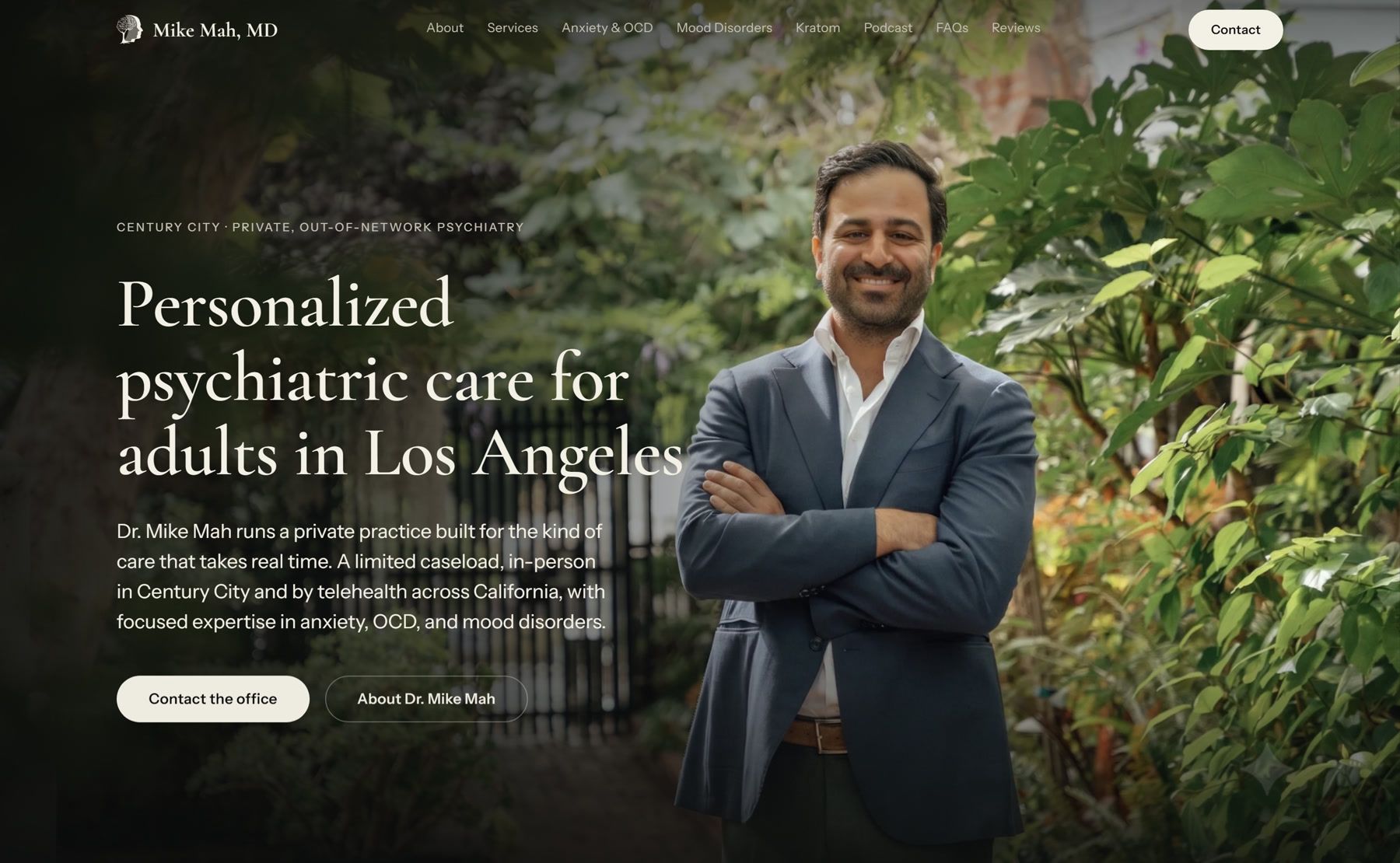
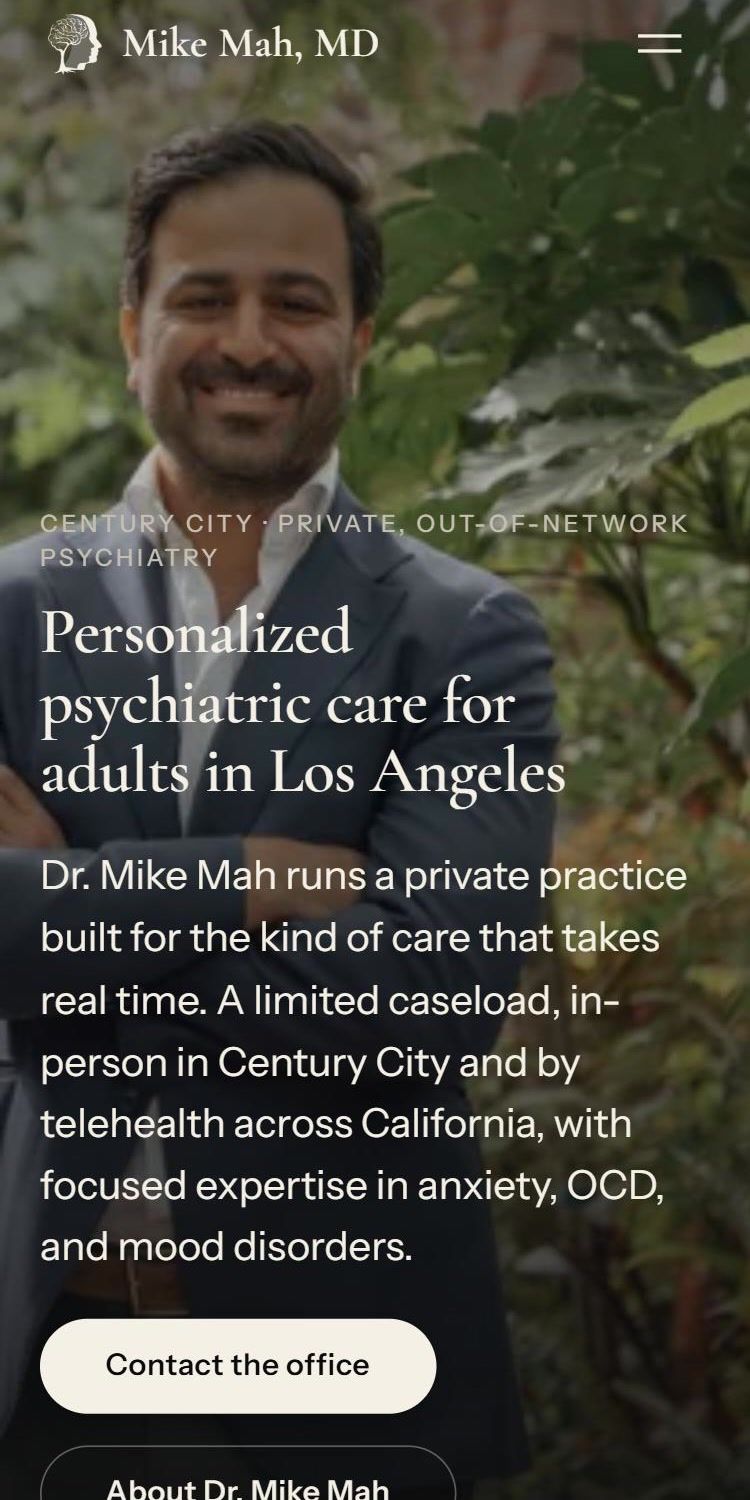
We built and launched mahmd.com for Dr. Mike Mah's out-of-network psychiatry practice in August 2026, and set up his personal brand and his insurance-based group practice so each one draws the right patients instead of competing for the same ones. Reviews, podcast, and booking path in one place, on infrastructure the practice owns.
What we count, and what we don't claim.
Numbers are only proof if you say what they aren't. Everything on this page comes straight from the tracking data, reconciled across channels, and held to a standard we'd defend on a sales call.
Inquiries, not patients
These are tracked calls, forms, assessments, and social conversations. Not booked patients or signed cases, and not revenue. We put no patient or case count on this page, because we can't tie a specific inquiry to a specific patient with permission to share it.
We read every recorded call
A greeting-only pickup is not an answered call. A call under a minute is not an inquiry. A pitch from a vendor is not a lead. The numbers here are after that filter, not before it.
Matched to bookings where we can
Where a practice shares its booking data, we match inquiries to new patients monthly. In July 2026, 20 of Dr. Houman's 82 new patients matched a tracked inquiry and 7 were confirmed ours. We publish that number because the honest one is the useful one.
Named with permission
Dr. Houman and Dr. Mah are named with their permission. The firm is anonymized at its request. No client is ever named, and no audit is ever used as a case study, without written permission.
Your practice could be next.
One practice per subspecialty per metro. Cash-pay men's health urology and adult psychiatry in Los Angeles are committed. Plastic surgery, psychiatry, dermatology, dentistry, and plaintiff firms are open in most markets. If your seat is open, we'll say so on the first call.
Start with the audit.
Find out how many people reach out, where they come from, and what happens to them next. It starts with a twenty-minute call.