
See every way ChatGPT brings you clients.
We track every inquiry back to where it started. So we can tell you when someone found you through ChatGPT. We can also tell you when someone saw your ad in ChatGPT, then found you on Google or Instagram a few days later. Once you can see the whole path, we put more behind what's actually working, and your online presence gets stronger every month.
One client, two ads, one path.
Here's what that looks like for a tenant-rights firm. An illustration, not a real client.


- 01 · Day 1
It starts with a question.
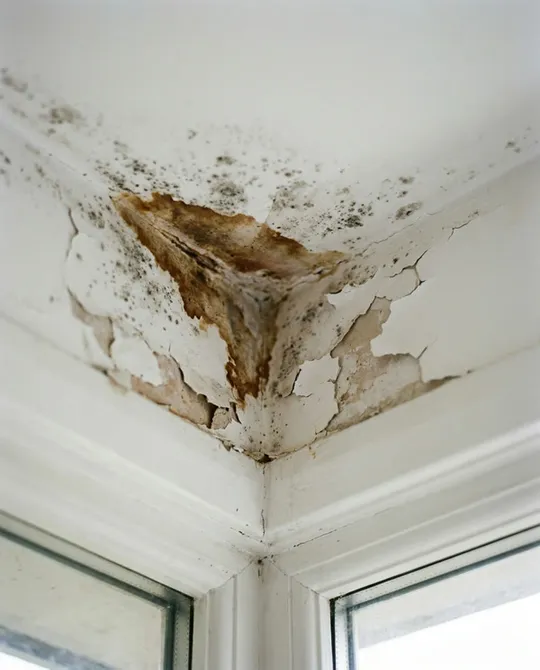
Someone asks ChatGPT what to do about a landlord who won't fix the mold. Your ad shows up under the answer.
- 02 · Day 1
They read, then leave.
They tap your ad and read your renters guide. Most people don't call yet. We save where they came from.
- 03 · Day 4
Three days later, Instagram.
Your ad shows up in their feed. This time they recognize you.
- 04 · Day 4
They reach out.
They answer a few questions about their case, then call your office.
- 05 · Day 4
Your intake team sees the whole path.
The inquiry arrives with the case type, the timing, and both steps: ChatGPT started it, Instagram finished it. That's how we know what to put more behind next month.
Most ad dashboards give all the credit to one step. You see both.
What you get.
Know when ChatGPT sends you a client.
Someone clicks your ad, or a ChatGPT answer that mentions you, and reaches out the same day. The inquiry arrives marked ChatGPT.
Know when ChatGPT started it.
Someone saw your ad in ChatGPT and came back days later through Google or Instagram. Their record shows both steps, so ChatGPT gets credit for what it started.
A presence that gets stronger.
Every month we put more behind what brings in real cases and cut what doesn't. Each month's ads and posts start from what the last month proved.
Every ad platform thinks it did the work.
In the first week of a Los Angeles firm's ChatGPT campaign, OpenAI's dashboard counted conversions from two people who, by the firm's own records, came in through Instagram ads. Each platform counted them as its own.
Both were half right. ChatGPT started those inquiries and Instagram finished them. Because we track the whole path, the firm sees each inquiry once, with both steps, and the budget goes where it should.
What we run.
ChatGPT runs alongside your Meta and Google ads, with the same team, the same tracking, and one monthly report.
Ads written to the rules
Shown only where your firm is licensed, labeled as attorney advertising, and free of the promises and comparisons the bar rules out.
A page for every case type
Each ad sends people to a guide or a short case review built for that case type, not to your homepage.
Tracking that remembers
The first time someone clicks your ChatGPT ad, we save it. If they come back later through Google or Instagram, their record keeps both steps.
Results sent back to ChatGPT
When someone downloads a guide or finishes the case review, we tell ChatGPT's ad system directly, so it learns which people become real inquiries and finds more like them.
A weekly rules check
OpenAI is still writing its ad rules. We check them every Monday, so a change doesn't catch your campaign off guard.
Paid and earned, kept apart
Not every ChatGPT visit comes from an ad. When ChatGPT mentions you in an answer and someone clicks through, we count it separately, so you know what you paid for and what you earned.
Running a medical practice?
ChatGPT ads are still limited for medical care. Some educational ads can run, but most treatment ads can't yet. Your patients use ChatGPT anyway. In September, ChatGPT sent about 30 people to Dr. Justin Houman's website. Five reached out and four asked for an appointment, the best rate of any source on his site.
We track those visits the same way, and we make the kind of clear, expert content ChatGPT likes to quote.
See the private practice pageQuestions firms ask.
Can law firms advertise on ChatGPT?
Yes. Since August 31, 2026, OpenAI allows legal-services ads in the United States, as long as the firm is licensed where the ad is shown. That covers personal injury, tenant rights, and other legal claims.
Can doctors and medical practices advertise on ChatGPT?
Only in a limited way so far. OpenAI reviews health advertisers case by case. Some educational ads are allowed, while ads for most treatments, prescriptions, and sexual health are not. The rules are still changing, which is why we check them every week.
Who sees ChatGPT ads?
People using ChatGPT's free and Go plans in the US. Ads are marked as sponsored and kept separate from ChatGPT's answer.
How do you pay for ChatGPT ads?
Per click, paid directly to OpenAI from an ad account in your name. We never mark up ad spend.
If someone sees my ChatGPT ad and reaches out later, how do you know?
When someone clicks your ChatGPT ad, we save that first visit. If they come back later through Google or Instagram and fill out a form or take your case review, their record shows both: where they first found you and what brought them back.
Start with the audit.
Find out how many people reach out, where they come from, what happens on the call, and what happens after. It starts with a twenty-minute call.